Spreadsheets are powerful. They are flexible, accessible, and almost every business owner knows how to use them. For early-stage businesses, Microsoft Excel or Google Sheets often feels like the perfect solution.
But growth changes everything.
What works for a small team managing 5 clients rarely works for a business handling 50. As operations expand, spreadsheets quietly turn from a helpful tool into an operational bottleneck.
If your business is growing and you're still running core operations through spreadsheets, this article is for you.
The Early Stage: Why Spreadsheets Work
In the beginning, spreadsheets are ideal because:
- They are low-cost
- Easy to set up
- Require no technical knowledge
- Flexible for tracking clients, invoices, leads, or expenses
For solo founders and small teams, spreadsheets feel efficient.
But the problem is not spreadsheets themselves.
The problem is scale.
What Happens When You Grow
As your business expands, so does complexity:
- More clients
- More invoices
- More team members
- More tasks
- More reporting needs
Suddenly you have multiple sheets for different departments, and none of them are properly connected.
This is where operational friction begins.
The Hidden Costs of Spreadsheet Dependency
Most business owners don’t realize how much spreadsheets are costing them.
1. Data Duplication
Team members copy and paste data between sheets. Errors increase. Reports become unreliable.
2. No Real-Time Visibility
Spreadsheets are static. They don’t automatically reflect live updates across departments.
3. Limited Access Control
Either everyone sees everything, or restrictions become difficult to manage. This becomes risky when handling financial data.
4. Manual Reporting
Monthly summaries, revenue reports, and payment tracking often require hours of manual compilation.
The Solution: Custom Business Dashboards
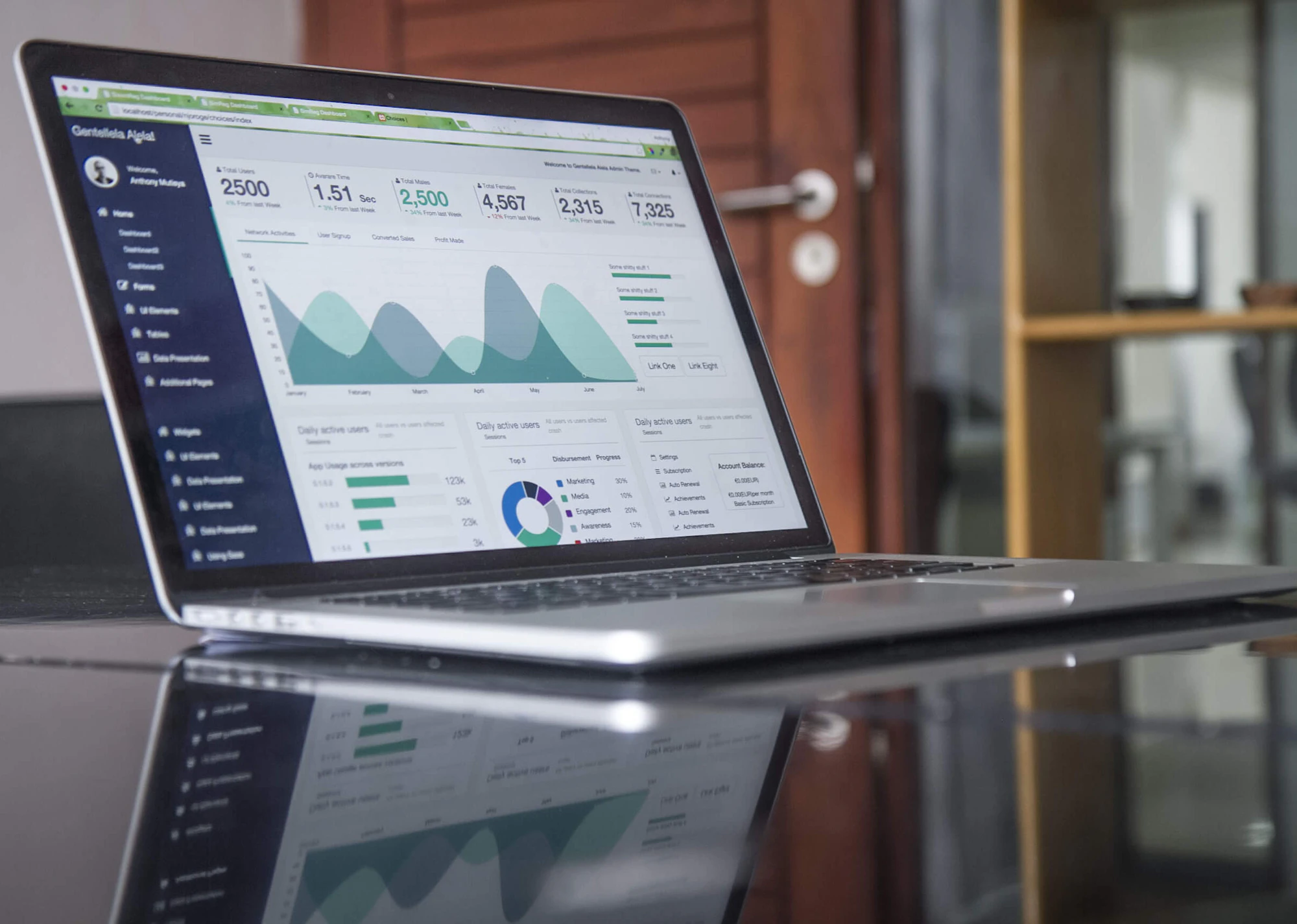
A custom business operations dashboard centralizes your operations into a single source of truth. Unlike spreadsheets, a dashboard is designed to scale with your business.
By moving from spreadsheets to a structured internal system, you gain:
- Automated Workflows: Data flows automatically from one stage to another. Learn more in our guide to business automation.
- Real-Time Analytics: Instantly see your revenue, client status, and team performance.
- Secure Access: Control exactly who can see or edit specific data.
- Centralized Data: No more searching through dozens of files.
Growth requires better tools. If you're outgrowing your spreadsheets, it's time to invest in a system that supports your future, not your past.