How to Build a Secure Admin Panel for Your Business
As businesses digitize operations, admin panels become the backbone of internal management. From client data and invoices to financial reports and operational tracking, admin dashboards hold sensitive information.
Without proper security architecture, these systems can expose businesses to operational risk.
Building a secure admin panel is not optional — it is essential infrastructure.
This guide explains how secure admin panels are structured and why growing businesses should prioritize security from day one.
What Is an Admin Panel?
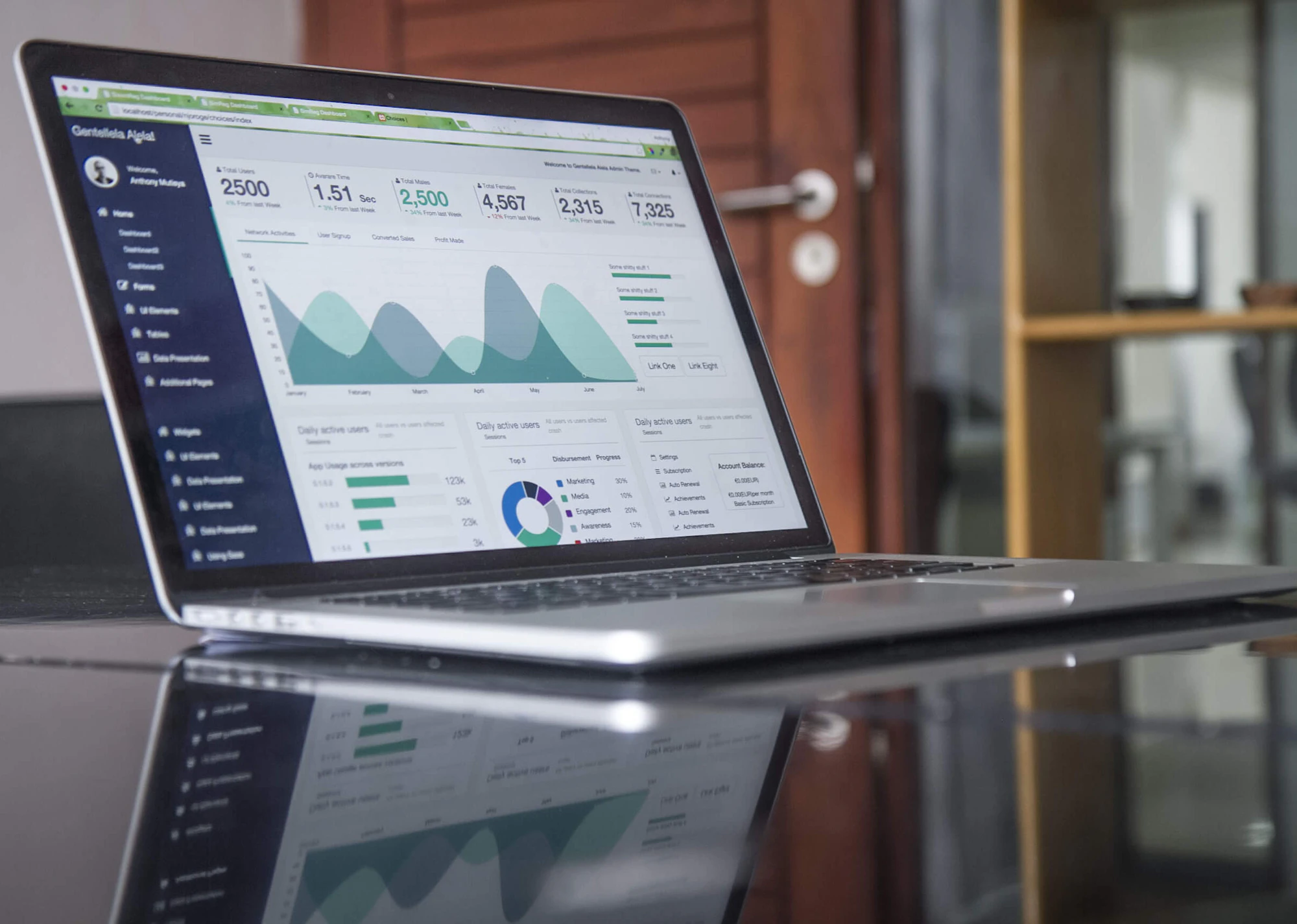
An admin panel is a centralized interface that allows business owners and teams to manage internal data and workflows.
Common functions include:
- Client management
- Invoice tracking
- Lead monitoring
- User permissions
- Performance reporting
- Operational controls
Unlike public-facing websites, admin panels operate behind authentication layers and must be designed with strong internal security.
Why Security Matters in Internal Systems
Admin panels often store:
- Financial records
- Client personal data
- Business performance metrics
- Strategic operational data
Security vulnerabilities can result in:
- Data breaches
- Financial loss
- Reputational damage
- Compliance violations
For growing businesses, prevention is far more cost-effective than recovery.
Core Security Principles for Admin Panel Development
1. Authentication Systems
Every admin panel must implement secure authentication.
Best practices include:
- Token-based authentication
- Secure password hashing
- Multi-factor authentication (where appropriate)
- Session expiration handling
Access should never rely on weak credentials.
2. Role-Based Access Control (RBAC)
Not every user should access every module.
Role-based access control allows:
- Admin-level permissions
- Manager-level visibility
- Staff-level restrictions
- Department-based access
This minimizes exposure of sensitive data.
3. Data Encryption
Sensitive information should be encrypted both:
- In transit (HTTPS/SSL)
- At rest (database-level encryption)
Encryption prevents unauthorized interception and storage exposure.
4. Audit Logs
Admin systems should track:
- Login attempts
- Data modifications
- Permission changes
- Financial updates
Audit logs provide accountability and visibility into system activity.
5. API Security
If your admin panel integrates with external services, APIs must be protected with:
- Authentication tokens
- Rate limiting
- Secure request validation
Unprotected APIs are common attack points.
Scalability and Security Go Together
Security should not be an afterthought.
As businesses grow:
- More users access the system
- More data is stored
- More integrations are added
A secure architecture ensures the system can scale without introducing vulnerabilities.
Common Mistakes in Admin Panel Development
Growing businesses often make these mistakes:
- Using shared login credentials
- No permission structure
- No backup system
- Storing sensitive data in unsecured environments
- Relying solely on frontend validation
Security must be enforced at the backend level.
Why Custom Admin Panels Offer Better Control
Off-the-shelf tools often limit security configuration.
Custom admin panels allow:
- Advanced permission logic
- Department-specific dashboards
- Encrypted storage strategies
- Controlled database access
- Structured audit systems
This ensures the internal system aligns with your operational and compliance needs.
Long-Term Business Impact
A secure admin panel provides:
- Operational control
- Data protection
- Leadership confidence
- Team accountability
- Reduced risk exposure
Security is not just technical — it is strategic.
Businesses that protect internal systems build trust, stability, and scalability.
When Should You Invest in a Secure Admin Panel?
If your business:
- Manages financial data internally
- Has multiple team members accessing systems
- Tracks sensitive client information
- Relies on digital reporting
Then secure admin architecture is essential.
Waiting until a security incident occurs is costly.
Proactive system design is far more efficient.
Final Thoughts
Admin panels are the operational core of modern businesses.
Building them securely from the start ensures growth without structural risk.
Security is not an optional feature — it is foundational infrastructure.
For businesses serious about scaling operations, structured and secure internal systems are a strategic investment.